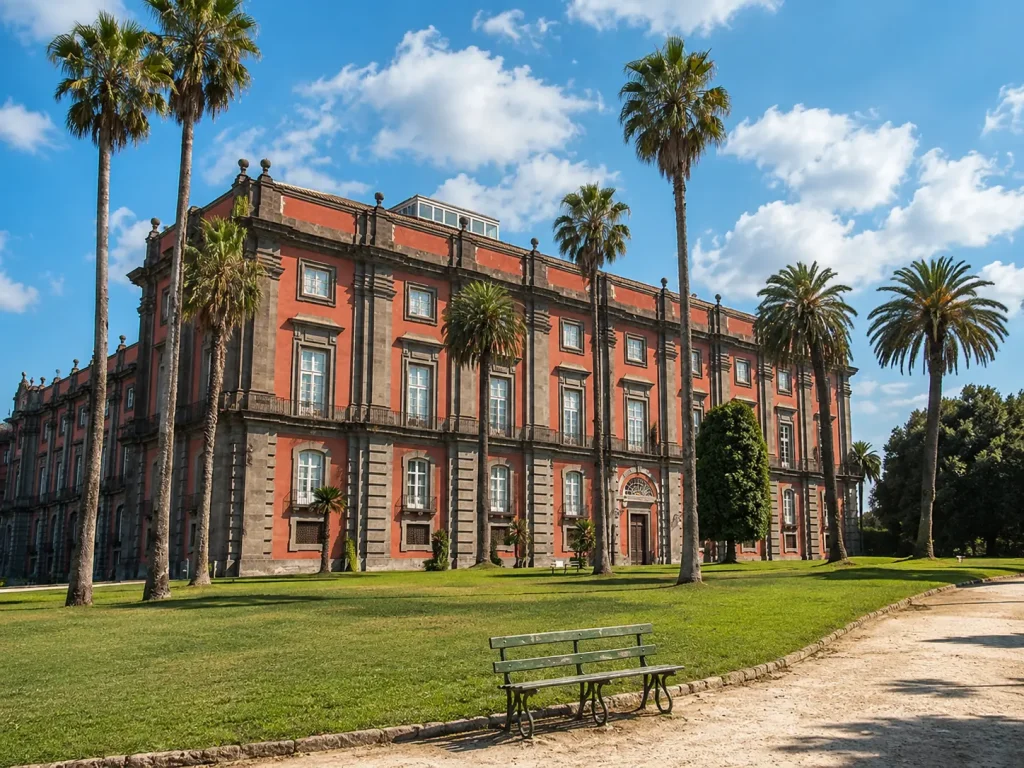
The majestic Capodimonte Museum rises above Naples surrounded by palm trees, royal gardens, and one of Italy’s most underrated art collections.
While thousands of visitors queue for Pompeii, crowd the narrow streets of Naples’ historic center, or rush through the halls of the National Archaeological Museum, one of the city’s greatest treasures remains surprisingly peaceful.
Perched on a hill above Naples and surrounded by the vast greenery of the Real Bosco di Capodimonte, the Capodimonte Museum (Museo di Capodimonte) is one of Italy’s most important art museums—and one of its best-kept secrets. Housed inside a magnificent Bourbon royal palace, the museum contains masterpieces by Caravaggio, Titian, Raphael, Botticelli, Parmigianino, and Michelangelo.
Yet despite the extraordinary collection, many travelers never make it here.
That is exactly what makes Capodimonte special.
Unlike the Vatican Museums, Florence’s Uffizi Gallery, or even Naples’ own archaeological museum, Capodimonte allows visitors to experience world-class art without the crowds. Add a stunning royal park, panoramic city views, and fascinating royal history, and you have one of the most rewarding cultural experiences in Southern Italy.
Whether you are an art lover, a history enthusiast, or simply searching for hidden art gems in Italy, Capodimonte deserves a place on your Naples itinerary.
The Royal History of Real Bosco di Capodimonte
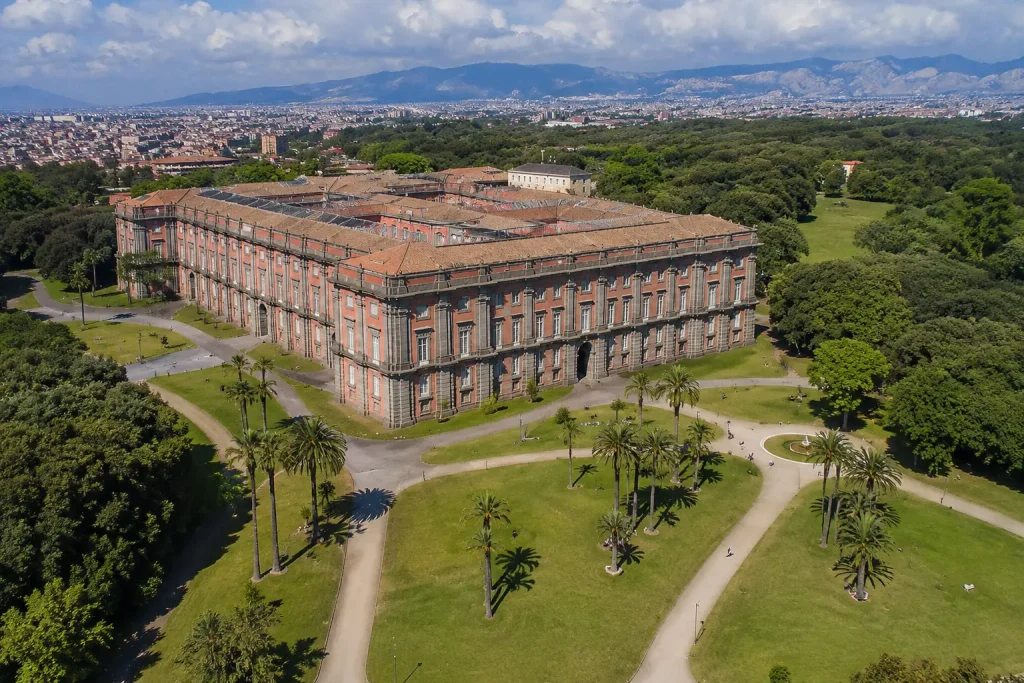
The Capodimonte Museum rises above Naples, surrounded by the historic Real Bosco di Capodimonte, one of the city’s largest and most beautiful green spaces.
A Palace Built for a King
The story of Capodimonte begins in 1738, when King Charles VII of Bourbon ordered the construction of a grand royal residence on a hill overlooking Naples.
The location was carefully chosen. The hill offered cooler air, beautiful views of the Bay of Naples, and vast woodland suitable for royal hunting. At the same time, the king needed a home worthy of the priceless Farnese Collection he had inherited through his mother, Elisabetta Farnese.
What began as a hunting lodge soon evolved into one of the largest royal palaces in Italy.
Construction lasted for decades, and each generation of Bourbon rulers left its mark on the palace and surrounding estate.
From Royal Residence to National Museum
For more than a century, Capodimonte served as one of the Bourbon dynasty’s favorite residences.
Following the unification of Italy, the palace gradually transformed into a public museum. Today, visitors can explore not only world-famous art galleries but also beautifully preserved royal apartments filled with period furniture, chandeliers, tapestries, and decorative arts.
The result is a rare combination: one of Europe’s great art museums housed inside an authentic royal palace.
Unmissable Masterpieces: The Highlights of the Collection
The Capodimonte art collection ranks among the finest in Europe. Many visitors arrive expecting a regional museum and leave wondering why it is not as famous as the Uffizi.
The Farnese Collection
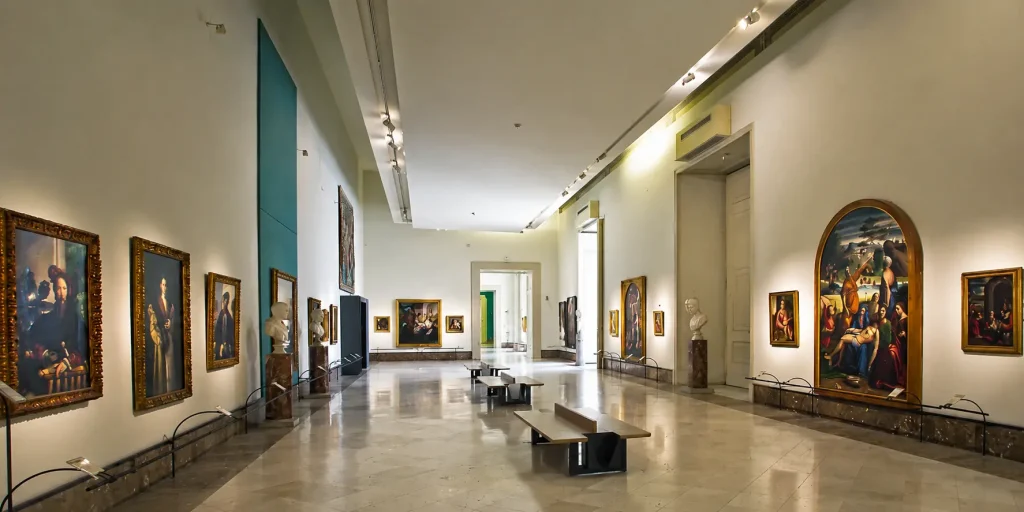
The Farnese Collection is one of the most important Renaissance art collections in Italy, displayed inside the Capodimonte Museum in Naples.
At the heart of the museum lies the legendary Farnese Collection, one of the greatest Renaissance collections ever assembled.
Highlights include:
Titian’s Danaë — One of the most celebrated and sensual masterpieces of the Renaissance, admired for its rich colors and extraordinary treatment of light.
Raphael’s Portrait of Cardinal Alessandro Farnese — A remarkable example of Renaissance portraiture that captures both power and personality.
Parmigianino’s Antea — A mysterious and elegant portrait often considered one of the artist’s greatest works.
Works by El Greco — Showcasing the unique style that would later influence generations of artists.
Masterpieces by Sebastiano del Piombo — Rare opportunities to see works by one of the Renaissance’s most accomplished painters.
The collection transformed Naples into one of Europe’s major artistic centers and remains one of the museum’s greatest treasures.
Caravaggio’s Presence
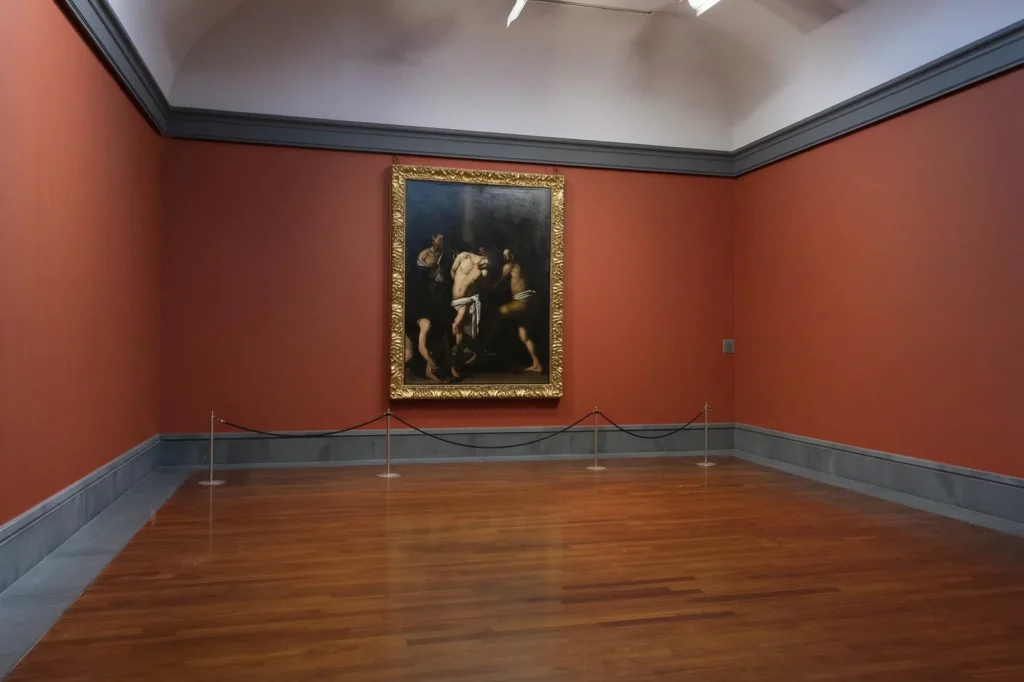
Caravaggio’s masterpiece The Flagellation of Christ is one of the highlights of the Capodimonte Museum and among the most important Baroque paintings in Naples.
Among all the masterpieces displayed at Capodimonte, none attracts more attention than Caravaggio’s:
The Flagellation of Christ (1607)
Painted during the artist’s turbulent stay in Naples after fleeing Rome, the work is widely regarded as one of the greatest religious paintings of the Baroque period.
The dramatic contrasts between light and darkness, combined with the raw emotion of the scene, demonstrate why Caravaggio revolutionized Western art.
Unlike many famous masterpieces displayed behind crowds elsewhere in Europe, visitors at Capodimonte often find themselves standing quietly before the painting with few people around.
For many art lovers, this experience alone makes the museum worth visiting.
Before You Visit
Note: Because Caravaggio’s masterpieces are highly sought after by international museums, it is always wise to check the museum’s current exhibition schedule before your visit. Temporary loans and special exhibitions may occasionally affect artwork availability.
Michelangelo’s Hidden Presence
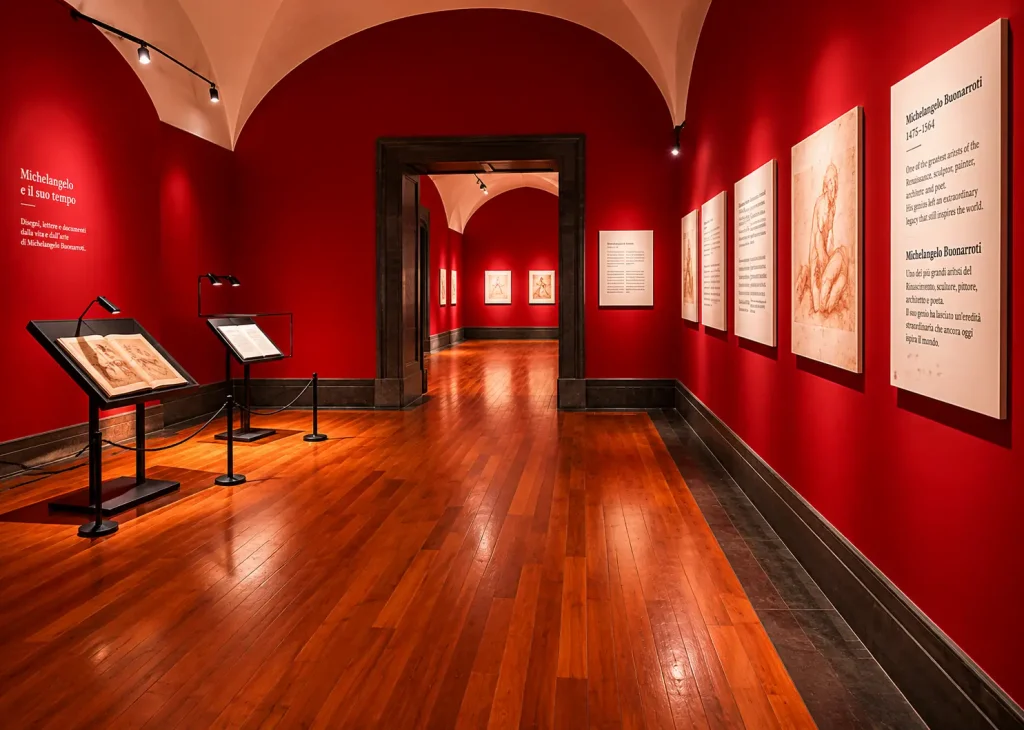
A gallery dedicated to Michelangelo and Renaissance art at the Capodimonte Museum in Naples.
Many visitors are surprised to discover works associated with Michelangelo within the collection.
These pieces offer fascinating insights into the master’s creative process and provide another reminder of the extraordinary breadth of Capodimonte’s holdings.
The Porcelain Parlor (Salottino di Porcellana)
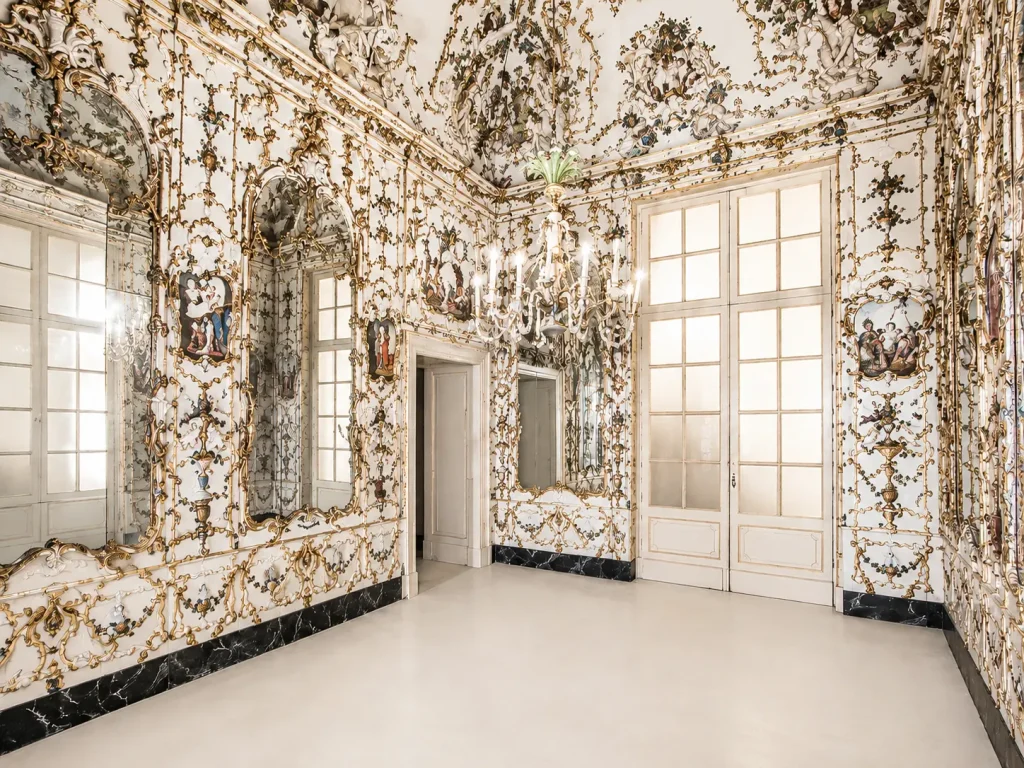
The Porcelain Parlor (Salottino di Porcellana) is one of the most unique and beautiful rooms inside the Capodimonte Museum in Naples.
Among all the rooms in the palace, none surprises visitors more than the extraordinary Porcelain Parlor.
Created for Queen Maria Amalia of Saxony in the mid-18th century, the room is covered almost entirely in delicate Capodimonte porcelain.
Visitors can admire:
Handcrafted porcelain flowers
Exotic birds and butterflies
Chinese-inspired decorative motifs
Intricate Rococo ornamentation
Thousands of individually crafted porcelain elements
The result feels less like a royal salon and more like stepping inside an elaborate jewelry box.
Many visitors leave Capodimonte talking about this room just as much as they talk about the paintings.
Modern Art Surprise
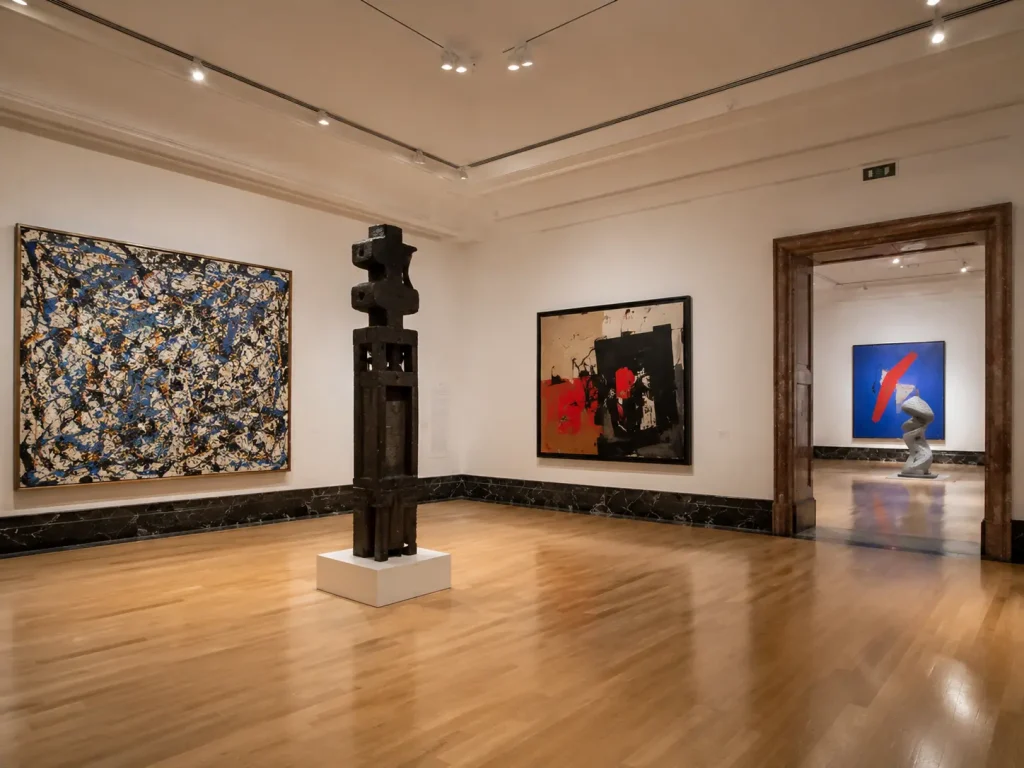
The Capodimonte Museum combines Renaissance masterpieces with an impressive collection of modern and contemporary art.
Capodimonte is not only about Renaissance and Baroque art.
The museum also contains an impressive collection of modern and contemporary works.
One of the most famous examples is:
Andy Warhol’s Vesuvius
Inspired by Naples’ iconic volcano, Warhol’s colorful interpretation creates a striking contrast with the centuries-old masterpieces found elsewhere in the museum.
This unexpected mix of old and new keeps the collection fresh and surprisingly dynamic.
Real Bosco: Exploring the Royal Park
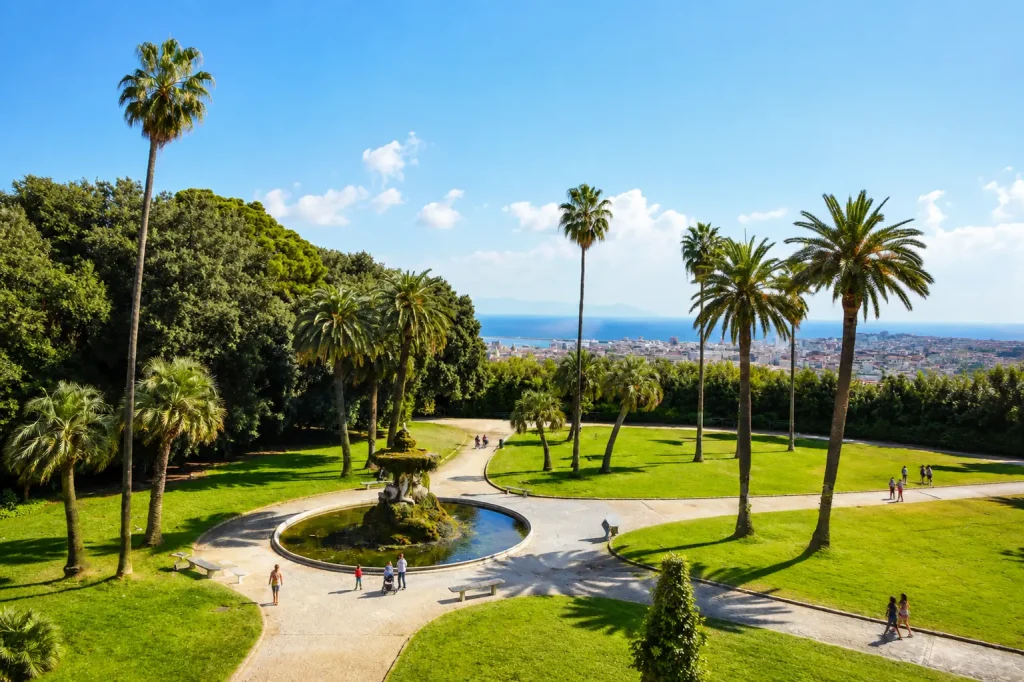
The Real Bosco di Capodimonte is one of Naples’ largest green spaces, offering panoramic views, historic gardens, and peaceful walking paths.
Many visitors come for the museum but leave equally impressed by the surrounding park.
The Real Bosco di Capodimonte covers more than 130 hectares and is one of Naples’ largest and most beautiful green spaces.
Things to Do in Capodimonte Park
Some of the best activities include:
Enjoy a picnic beneath centuries-old trees — One of the most relaxing ways to experience the former royal estate.
Walk along historic Bourbon hunting routes — Follow paths once used by kings, nobles, and hunting parties.
Photograph Mount Vesuvius and the Bay of Naples — Several viewpoints offer spectacular panoramas.
Discover hidden fountains and sculptures — Many visitors never venture far enough into the park to find them.
Explore historic farm buildings and gardens — Reminders that the estate once functioned as a self-sufficient royal property.
Escape the crowds of central Naples — A rare opportunity to enjoy peace and quiet within the city.
A Forgotten Hunting Forest
Few tourists realize that the park originally served as a royal hunting reserve.
The Bourbon kings stocked the estate with game animals and used the forests for elaborate hunting events attended by European nobility.
Although the animals are gone today, much of the original landscape design remains intact.
One of Naples’ Most Underrated Viewpoints
From several points within the park, visitors can enjoy panoramic views across Naples, Mount Vesuvius, and the Bay of Naples.
Looking downhill, you can also spot the historic Sanità district, home to attractions such as the Catacombs of San Gennaro and the Catacombs of San Gaudioso.
For photographers, these viewpoints are among the city’s best-kept secrets.
Visitor Guide: Practical Tips
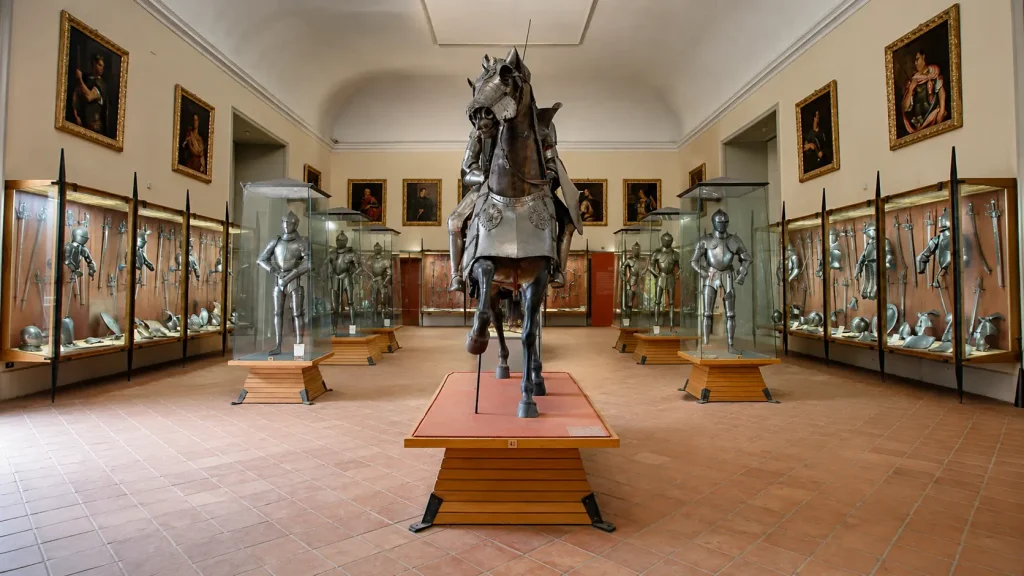
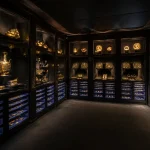
The Capodimonte Museum preserves an impressive collection of historic weapons, armor, and royal military artifacts.
Location
Museo e Real Bosco di Capodimonte Via Miano, 2 80131 Naples, Italy
How to Get to Capodimonte from Naples Center
By Bus
Several city buses connect central Naples with Capodimonte.
Common routes include:
C63
R4
Travel time is typically between 20 and 35 minutes.
By Shuttle
The dedicated Capodimonte Shuttle often provides one of the easiest ways to reach the museum from the city center.
By Taxi
A taxi from Toledo, Piazza Dante, or Piazza Municipio usually takes around 15–20 minutes depending on traffic.
Opening Hours & Tickets
Museum schedules occasionally change, so visitors should always verify current information before traveling.
Generally:
Closed on Tuesdays.
Open Wednesday through Monday.
Reduced admission may be available for eligible visitors.
Free admission is often offered on the first Sunday of each month.
Best Time to Visit
For the most peaceful experience:
Arrive shortly after opening.
Visit on weekdays.
Avoid major public holidays.
Even during the busy summer season, Capodimonte remains remarkably calm compared with Italy’s most famous museums.
Hidden Gems in Naples
Beyond the pizza shops, chaotic traffic, and famous waterfront views, Naples hides ancient underground cities, forgotten Roman theatres, secret tunnels, mysterious churches, hidden palaces, and candlelit passages buried beneath centuries of history. Here are the hidden gems that reveal the city’s most fascinating and authentic side.
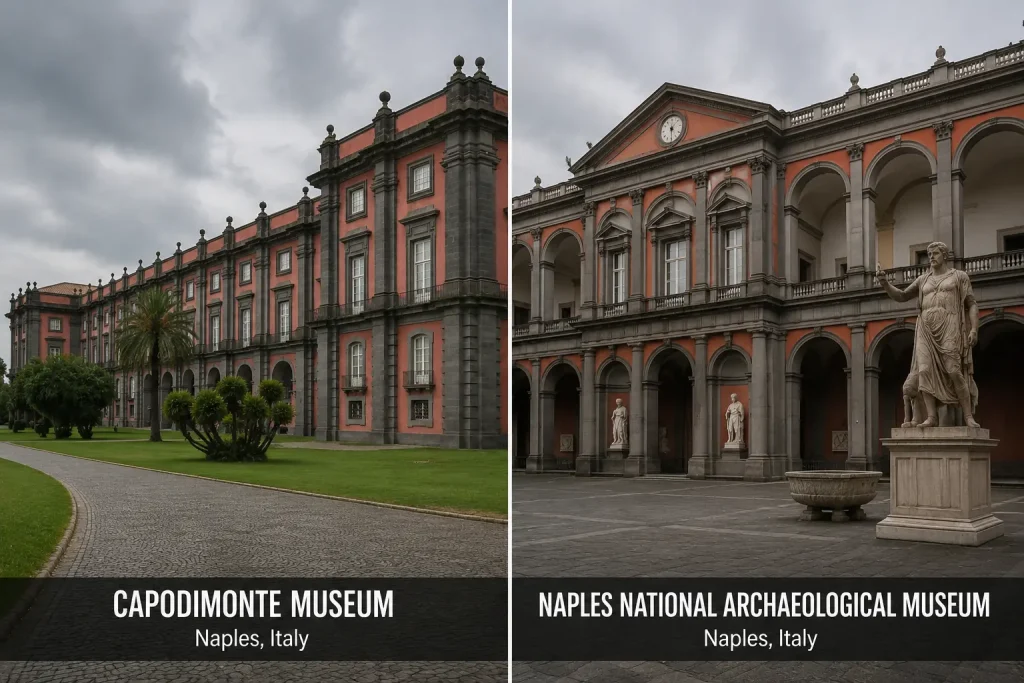
Capodimonte vs. Naples National Archaeological Museum
Two of Naples’ greatest museums offer completely different experiences: Renaissance masterpieces at Capodimonte and ancient treasures at the National Archaeological Museum.
Many travelers visiting Naples have time for only one major museum.
Capodimonte Museum
National Archaeological Museum
Renaissance and Baroque masterpieces
Ancient Roman artifacts
Royal palace setting
Traditional museum building
Vast historic park
No large park
Fewer crowds
Often crowded
Art-focused experience
Archaeology-focused experience
If you are fascinated by Pompeii, Herculaneum, and Ancient Rome, the Archaeological Museum is essential.
If you prefer world-class paintings, royal history, beautiful gardens, and a quieter atmosphere, Capodimonte is often the more rewarding experience.
How to Combine Your Visit
One of the biggest advantages of Capodimonte is its location above the historic Sanità district.
The Perfect One-Day Itinerary
Morning
Explore the Capodimonte Museum.
Visit the Farnese Collection.
Admire Caravaggio’s masterpiece.
Walk through the royal apartments.
Lunch
Relax inside Real Bosco di Capodimonte.
Enjoy a picnic or café break.
Afternoon
Walk downhill toward:
Catacombs of San Gennaro
Catacombs of San Gaudioso
This combination allows visitors to experience both royal Naples and early Christian Naples in a single day.
For readers exploring our Hidden Side of Naples: An Insider’s Atlas, this route is one of the city’s most rewarding cultural itineraries.
Why Capodimonte Is Naples’ Ultimate Alternative to the Crowds
Italy is filled with famous museums.
The Vatican has crowds.
The Uffizi has crowds.
The Accademia has crowds.
Capodimonte has masterpieces.
That difference is precisely what makes it special.
Where else can you spend an afternoon with works by Titian, Raphael, and Caravaggio inside a royal palace, then stroll through a historic park overlooking Naples without fighting through tourist groups?
For travelers seeking hidden art gems in Italy, Capodimonte offers something increasingly rare: the opportunity to slow down and enjoy world-class art at your own pace.
And that may be the greatest luxury of all.
FAQ
How long does it take to visit Capodimonte Museum?
Most visitors spend between 2 and 3 hours inside the museum. If you plan to explore the park as well, allow at least half a day.
Can I take photos inside?
Yes. Photography is generally permitted for personal use without flash. Temporary exhibitions may have additional restrictions.
Is it free on certain days?
Yes. Admission is often free on the first Sunday of each month as part of Italy’s national museum initiative. Check current policies before your visit.
Is Capodimonte suitable for families?
Absolutely. The combination of world-class art, open green spaces, and quiet walking paths makes it one of Naples’ most family-friendly cultural attractions.
Is Capodimonte Museum worth visiting if I only have one day in Naples?
Yes. If you want to experience exceptional art, royal history, beautiful gardens, and one of the best museums in Italy without the crowds, Capodimonte is an excellent choice.